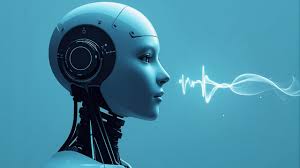
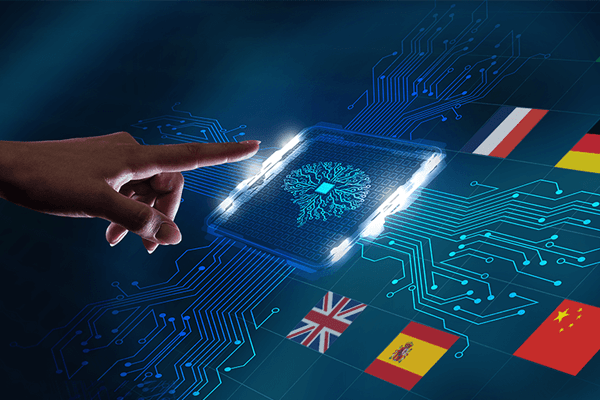
The swift rise of Artificial Intelligence has led many to place their hopes for a greater tomorrow in the still untapped potential of AI. From greater automation of day to day tasks, to quicker interpretation of business analytics, the assistance of AI in the future seems to be for the better. In today’s professional world, many companies and organizations have already implemented AI into their daily practices, and many more are searching for the most effective ways in which they can use AI to their advantage. One service that seems to have been upgraded the most from the newfound use of AI, is translation.
AI is able to translate thousands of words in just a few seconds, a task that would take a human translator several minutes, if not hours, to complete. This ability appears to have miraculous benefits for companies operating internationally, who need to be able to receive and respond to foreign investors or clients within minutes. However, in every language there is always a significant gap between the literal meaning of the words, and the overall meaning and intent of the author, or speaker. This gap is something that AI is not designed to fill in. AI cannot understand the context of a situation the same way that a human can, nor can it identify unique cultural meanings that can only be learned through intimate experiences with the language and the people who speak it. While the benefits of speed and accuracy seem compelling, when it comes to translation, “accuracy” is never quite enough.
To understand why accuracy alone is insufficient, it is necessary to examine how AI translation systems operate.
AI translation is based on pattern recognition and probability. Modern translation systems analyze massive amounts of translated text from a database in order to identify patterns between languages, and pair the “meaning” of the words across the languages. It searches for the most probable translation of the word, according to the database, rather than the most appropriate meaning. AI itself does not know what the words mean, it simply searches for something that fits, and then plugs it in.
This method of translation is ineffective in capturing the true meaning of someone. People do not speak according to probability, but rather with emotion and with passion. One can only truly express themselves if they use emotion and unique aspects of their language, such as idioms. This is where AI falls short.
Cultural meaning is dependent upon shared background knowledge. Idioms, metaphors, and jokes can only be understood using outside experience. When these meanings are not accurately identified, a reader is left confused, and not fully able to understand what someone is trying to express. This is why humans who have the knowledge that these expressions depend on are so important.
While AI use in translation is certainly not sufficient for true understanding, the benefits it offers cannot be so easily undermined. In a world where time is everything, the speed in which AI can effectively translate across languages is immensely valuable. Therefore, AI will continue to play the main role in translating. However, there will still be a role for human translators; albeit changed.
Rather than being the one to do the actual translating, human translators will allow AI to do it. It will save a tremendous amount of time and effort, however, their work doesn’t stop there.After receiving the AI translated version, the human will serve as a post-editor, making sure the meaning of the actual writing, and the AI translation match. This new role allows for the AI’s speed to be supported with humans, who are able to fill in the gaps that AI can not quite grasp. This new future shows that no matter how advanced AI becomes, when it comes to translating, there is nothing quite like true human connection.
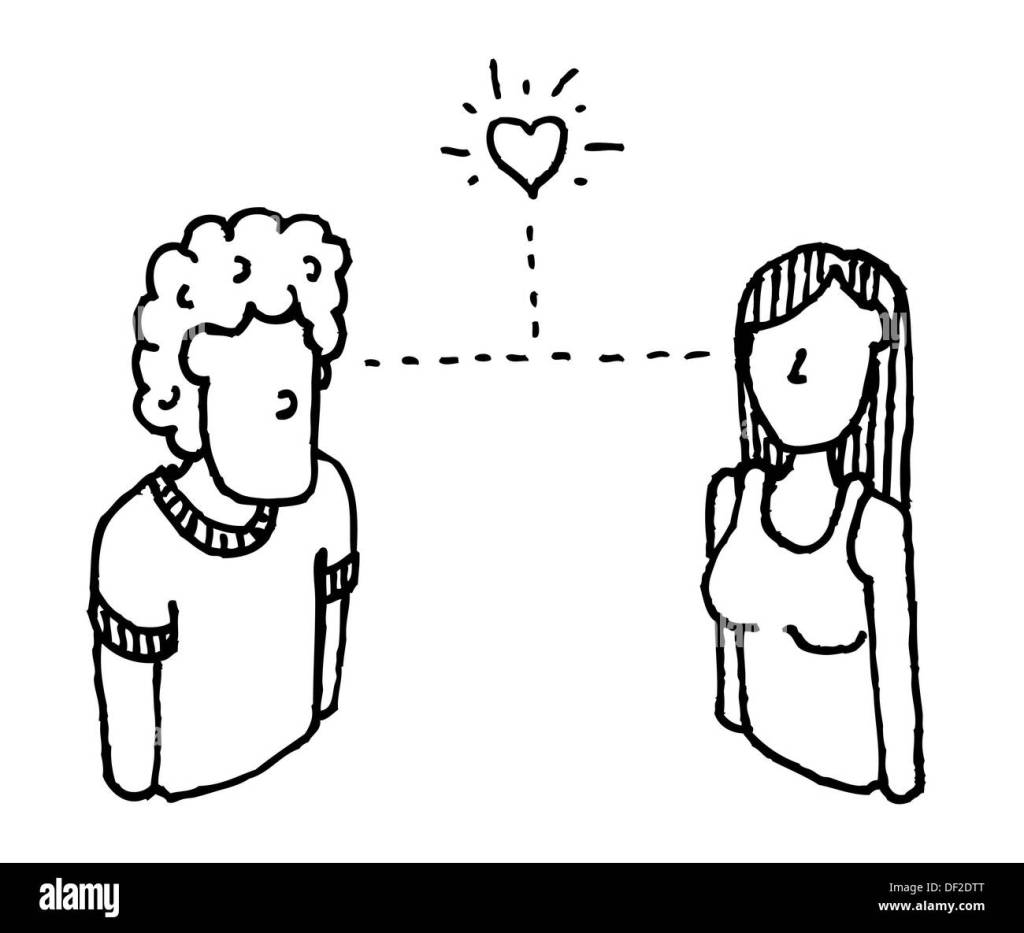
While time is certainly valuable, the fastest way is not always the best way. True understanding requires time, attention, and opening yourself up to something, or someone different. AI cannot replace human experience, and it cannot replicate true connection. In a world where speed and convenience are increasingly in demand, the future of AI in translating proves to us that in order to fully understand each other, we have to slow down. It is in these moments, when we slow down, where we are able to see beyond the exterior meanings of others, and allow ourselves to see life from their perspective. Whether it is translating reports, or sharing a meal together, slowing down allows us to understand more fully, in a way that AI cannot replicate.

 Beyond Translations
Leave a comment