
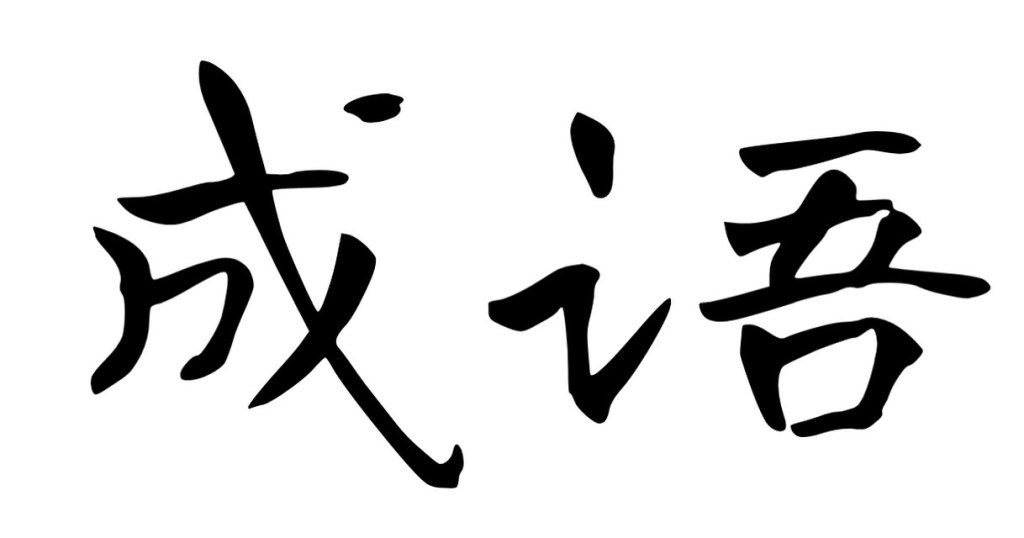
成语 (Chéng yǔ): Idioms
Idioms are phrases and expressions that have figurative meanings that differ from the literal meanings of the words. Understanding idioms is instrumental to mastering a language as it allows you to speak with more nuance and have a better understanding of the culture of the language you are learning. Mandarin consists of thousands of these 成语, most commonly composed of four characters. Similarly to English, the meaning of these 成语 can not easily be derived from the characters themselves. Rather, they require a deep understanding of Chinese culture in order to be used and understood correctly. Despite the large number of these phrases in the Mandarin language, each 成语 has its own story, which reveals a key element of Chinese culture and history.
Beyond Translations will introduce a new idiom each week as part of our mission to create better cultural understanding.
入乡随俗 (Rù xiāng suí sú): “When entering a new village, follow their customs”
This ancient Chinese idiom is very similar to the common English phrase, “ When in Rome, do as the Romans do”.
The story behind this idiom goes as follows: In ancient times there were two brothers who wanted to go to a certain village in China to do business. When they arrived in the village, they found that all the locals were naked!
This was the way the locals lived, and realizing this one brother said to the other, “ 入乡随俗” (“When entering a new village, follow their customs”), and took off his clothes in order to fit in with the locals and show respect for their ways.
The other brother was not a fan of this, and refused to take his clothes off. He openly criticized the locals, and as a result he was thrown out of the village. Meanwhile, his brother was welcomed in and was very successful in conducting his business.
This story teaches us that when we go to a new place, we may need to go beyond our comfort zone and adapt to the local culture. It also shows us that by showing respect to others, we can build better relationships and ultimately be more successful in accomplishing our goals.
This idiom closely relates to the mission of Beyond Translations, as it shows us that in respecting each other’s culture, we can have success and forge better relationships.
The fact that China and America both have idioms that share the same meaning shows us that while we may be very far from each other, our experiences are the same. If we can realize this, we can grow in respect to each other and ultimately let each other into our villages.




 Beyond Translations
Leave a comment